
Milford Previous Residents by Era
Each source answers a different part of an address history. Worcester deeds establish title and a legal description. Directory and house-guide volumes offer named occupants or boarders. The federal census adds household composition, while newspapers and probate can explain a move, death, or succession. Start with the era that fits the question, then bring records together only after the street, parcel, and date agree.
Milford's record trail is strongest when it stays parcel-first. A street number can change in spelling or context, and an older directory can include nearby Hopedale. A map and legal description help keep one building distinct from another place with a similar address.
| Address source | Years represented | Where held | What it can show |
|---|---|---|---|
| Worcester deed records | 1731-present record history; web name indexing varies | MassLandRecords and Registry counter | Title parties, legal description, liens, plans, and prior references |
| Milford directories | 1856-1971 selected holdings | State Library, BPL, and local library routes | Occupant, spouse or status, trade, address, and house or boards notation |
| Milford house guides | 1942-1967 selected editions | Massachusetts State Library | Address-first occupant and alphabetical cross-check |
| Federal census | 1790-1950 public releases | Census, archives, and library databases | Household members, ages, occupations, and address geography |
| Sanborn maps and permits | Maps listed from 1885-1958; permit history not stated | Library of Congress, local collections, Building office | Building context, construction clues, and later project evidence |
Use a deed for ownership, not occupancy. A tax mailing address can point to a later contact address, a trust, or a tax agent. The question of past residents needs the household sources too.
Milford Previous Residents Begin with the Parcel
Open the Milford Property Database and Field Cards with the current street address. The Town FAQ confirms owner and address searching. Record the site address, parcel or map-lot identifier, current assessed owner, owner mailing address, last-sale reference, and any book, page, or document number shown. The mailing address is a tax-contact clue, not proof that an individual lives at the property.
Next, compare the parcel on Milford MapGeo or the statewide Massachusetts Interactive Property Map. A map helps distinguish a condominium unit, vacant lot, or closely numbered parcel from the target. The legal description and plan reference in the recorded deed matter more than the assessed address when old street labels are involved.
Address trail: current address → parcel or map-lot → owner name and last-sale reference → latest deed → earlier deed reference. Save each link before moving backward.
Milford Previous Residents and Pre-1960 Records
The Worcester District Registry of Deeds portal has separate paths for Recorded Land, Registered Land, plans, unindexed property, and pre-1960 Grantor and Grantee indexes. Its search instructions also describe Name, Document, Book, Property, date, party type, town, and document-type filters. A broad search can stop at 1,000 results, so use Milford, a date range, and a document type where the record supports those limits.
The Registry’s search instructions show the Advanced filters that help narrow a Milford deed question.
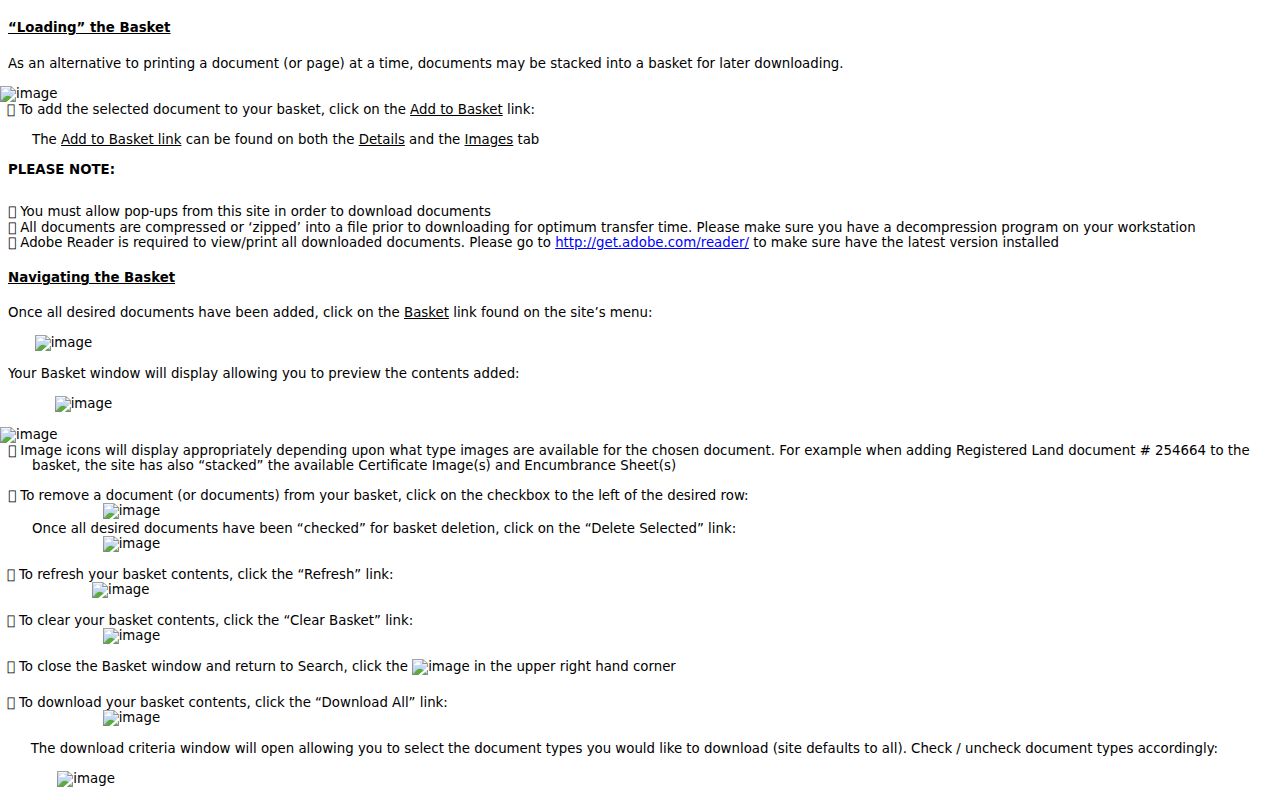
Using the town, date, party, and document fields together can keep a large result set focused on one former Milford address.
A local Worcester guide describes name indexing from 1966 forward, while the Registry exposes pre-1960 grantor and grantee tools and 1731-present image and record history through its web system. That is not one uninterrupted name search. The practical gap around 1960-1965, older unindexed instruments, and failed property searches may require a book/page, plan, legal description, or counter request.
Tracing Milford Previous Owners in Worcester Deeds
A chain of title follows transfers of property, not every person who lived there. Begin with the latest deed and identify the grantee, the buyer, and grantor, the seller. Copy its recording date, book/page or document number, legal description, and any recital to an earlier deed. Then use the seller's earlier purchase as the next connection. Check the exact parcel and plan reference at each step.
- Pull the current parcel facts and last-sale reference from Milford's assessor record.
- Find the latest conveyance in the Registry by book, document, property, or party name.
- Read the prior-record reference and search the seller as a grantee to find the seller's purchase.
- Repeat the sequence, switching between grantor and grantee searches as each owner changes.
- For an older or failed online link, take the book/page, plan, and legal description to the Registry counter for pre-1960 or unindexed help.
- Grantor and grantee
- The grantor transfers the property; the grantee receives it. A person can be both at different points in the chain.
- Chain of title
- The connected sequence of recorded transfers for a parcel or legal description.
- Legal description
- The recorded lot, metes-and-bounds, or plan description that identifies land more reliably than an old street number.
Registered Land and Recorded Land are separate Registry branches. A plan, easement, mortgage, or estate document can clarify a parcel history when a simple name search does not.
Milford Previous Homes on Sanborn Maps
Sanborn fire-insurance maps add building context to the past-residents trail. Milford editions are listed for 1885, 1892, 1897, 1903, 1910, 1920, 1931, a 1931-June 1950 period, and 1958. The Library of Congress 1892 Milford map collection has 11 sheets. These maps can show a footprint, number of stories, construction material, use, street name, and industrial context.
A map does not name every occupant. Pair a changed footprint with a deed, permit, newspaper notice, or directory year instead of treating the drawing as a household list. The maps are most helpful for deciding whether the building, street layout, or use had changed before a person appears in a directory.
Milford's granite and shoe industries are useful local context for an address near historic industrial streets. They can explain why an older entry includes an industrial abbreviation, but they do not establish a person's residence without a directory, census, deed, or other record.
Milford Past Residents and Old Street Names
Historical address research can fail because the road name changed, not because the person vanished. Main Street was once Sherborn Road; Purchase Street began as the cart path to the 1691 North Purchase; Highland Street was formerly Magomiscock; and West Street grew from the road to Upton. Try modern and historical labels in deeds, maps, newspapers, and directories.
Boundary history is another trap. Hopedale separated from Milford in 1886, so older Milford directories can include Hopedale households. Modern 01757 postal geography also extends beyond the town line. Hold onto the map-lot, legal description, church or cemetery reference, and town date when a name or street seems to cross a present boundary.
Note: No official Milford-wide house-number renumbering project or date was located, so do not claim a missing record was caused by a townwide renumbering.
Milford Past Households After the Deed
Ownership is only half the address story. To identify past residents, move from the parcel chain into the household layer. Milford's selected house-guide volumes cover 1942 through 1967 and are address-first. The wider city-directory holdings include selected years from 1856 through 1971. A line marked “house” points to the listed residence, while “boards” describes a boarding address. Neither mark by itself proves title.
Pair each directory period with the nearest public federal census. Census records add ages and household composition, while directories fill time between schedules with addresses, spouse clues, and trades. The federal 1950 census is the latest released under the 72-year rule cited in the research. The directory holdings and entry-reading details are collected on the Milford city directories page.
- Find the address in the house guide or the surname in the alphabetical directory nearest the needed period.
- Record the exact spelling, street, spouse or widow notation, trade, and house or boards wording.
- Compare the same person or address in the next available directory edition, allowing for gaps.
- Check the nearest census image for household composition and age clues.
- Test a disappearance with a newspaper obituary, cemetery entry, probate case, or a later deed transfer.
Milford Town Library's Curran Collection provides newspaper microfilm, resident lists, yearbooks, cemetery records, town reports, and library databases. HeritageHub can be used with a library card for obituary and funeral-home notices, while Ancestry Library Edition is available in the library. These give the household trail a local fallback when a directory is silent.
Milford Previous Residents: Local Help and Endpoints
For a documented historic building, the Milford Historical Society house-history research service offers work on homes in Milford's Historical District. The service describes research into date built, builder, first owners, Milford Times archives, and Oak Grove Cemetery records at $50 per hour. Treat its findings as strong leads, then verify the property transfer with Worcester deeds and the household evidence with the underlying collection.
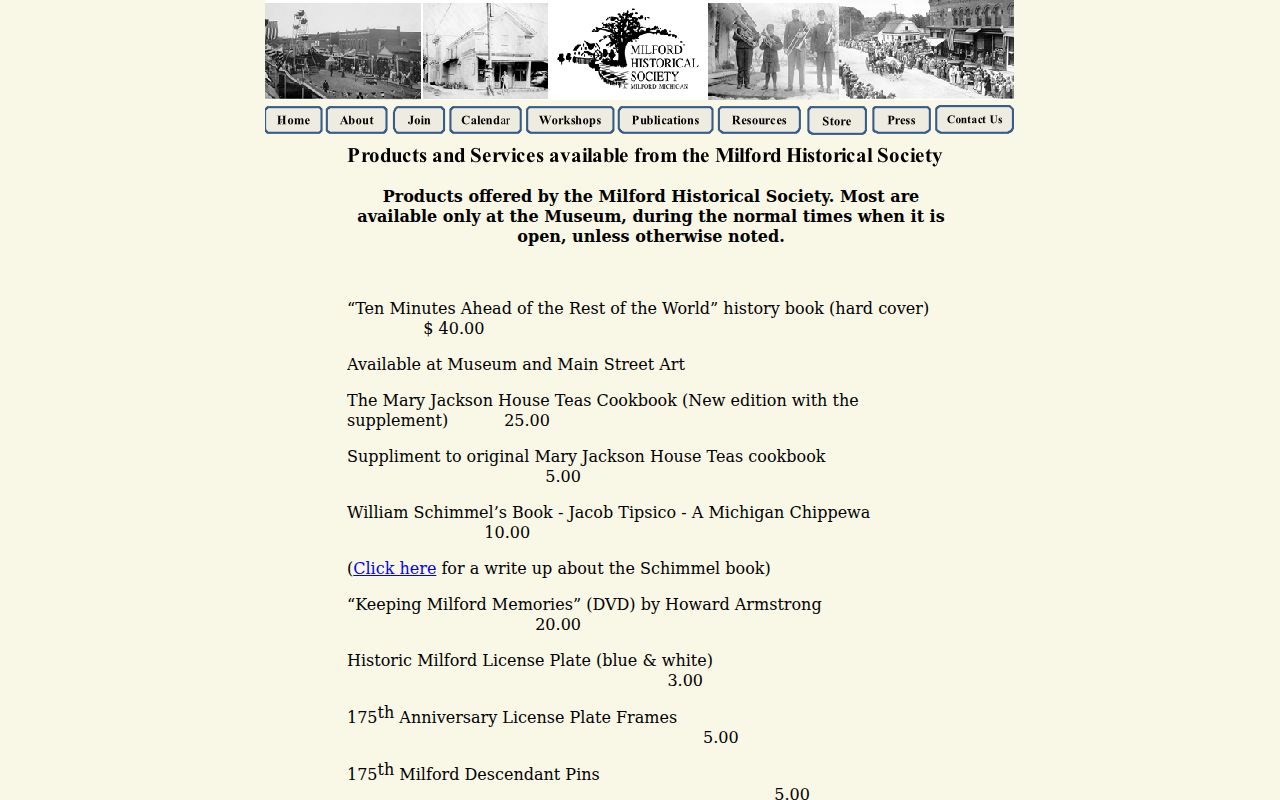
The Historical Society service is useful where a paper trail needs local archive or cemetery context. It does not replace the Registry's authoritative deed and plan records, but it can identify documents worth requesting or reviewing in person.
The Historical Commission's Memorial Hall index is another local route for historical homes, homes and maps, streets and sections, cemeteries, buildings, and Milford history. Its underlying PDFs are not fully remote, so call or visit rather than assuming the public index is a complete online archive. For a trail ending in a death, search library newspapers and then Worcester probate. FamilySearch's Worcester County probate images cover 1731-1925 and can name heirs, residence, property, and estate dates.
Newspapers are a useful final check because Milford Journal, Gazette, and Daily News runs can preserve death notices, moves, sales, church notices, and legal notices that connect a household to the address period already established.
Lawful use. Milford previous-resident research is suited to house history, family history, heir work, and personal curiosity. Public records do not permit stalking, harassment, threats, or attempts to expose a protected address.